

The search for the right supportive living environment for a loved one is a journey paved with love and careful consideration. For families of women with Intellectual and Developmental Disabilities (IDD), this journey often leads to a transformative option: community-based homes for women with IDD.
We are past the old institution-based models; we have moved toward person-centered living that focuses on dignity, belonging, and high quality of life. Truly understanding what these options are all about is the first step toward an informed, confident decision for your loved one’s future.
Defining the Model: More Than Just a Home
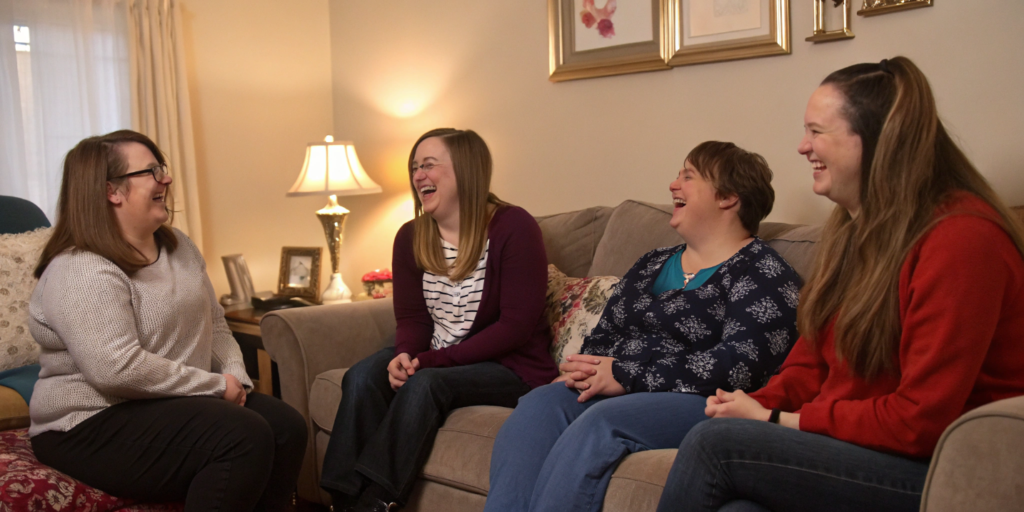
In many residential areas, a small group of women lives together in a home that goes far beyond a simple healthcare facility or campus. This model is based on integration, where residents are part of the community and are accepted as neighbors.
Philosophy of Home and Community
This model does not aim for a custodial care approach, but to foster a whole life. Actual community-based homes for women with IDD will always put first:
- Belonging: creating strong social ties at home and in the community.
- Choice: tailoring the daily routine to residents’ preferences in meals and activities.
- Growth: offering continuous opportunities for personal growth at each person’s own pace.
This setting moves away from a single, fixed schedule toward one that best fits the personalities and goals of the women who live there.
The Core of the Issue: For Your Loved Ones and Family
Choosing community-based homes for women with IDD can significantly improve a woman’s quality of life and, at the same time, bring families peace of mind.
Growing Independence and Identity
In the past, care settings often defined a person by their disability and assigned role. At community-based homes for women with IDD, the focus is entirely different.
Through support in daily living (going to the grocery store, preparing meals, running personal errands), women are building practical skills. This hands-on lifelong learning fosters a powerful sense of autonomy. Instead of being just residents, they are part of a household, which, in turn, strengthens their identity as fully grown, capable adults.
Growing Natural Social Networks
Social isolation is a major issue for many adults with IDD, which is why community-based homes for women with IDD put in place strong social supports that are present at all times.
Living in small groups of like-minded people provides ongoing companionship and a sense of friendship. Also, because they are in the middle of a neighborhood, these homes foster actual social interaction, as residents see the same people at the local park, coffee shop, or library. This natural blend into the community deters loneliness and creates real, unscripted community connections.
Providing Families with Support and Tranquility
For families, this model offers a shift from being primary 24/7 caregivers to being engaged family members and active advocates. High-quality, community-based homes for women with IDD offer this partnership model, where families are included as key members of the care team during care plan development and receive regular updates.
Knowing your loved one is in a safe, engaging, and personalized environment where she is happy and thriving provides an unparalleled sense of relief and allows family relationships to flourish in new, joyful ways.
Identifying Quality: What to Look For
Not all homes are the same. When looking at community-based homes for women with IDD, you should look for signs that a program truly aligns with a person-centered and fulfilling life:
Personalized, Person-Centered Support Plans
The home should have a living, detailed Individualized Service Plan (ISP) or Person-Centered Plan (PCP) that is designed with the resident, not just for her. This plan will include her personal goals, preferences, strengths, and needs related to communication, hobbies, health, and community involvement.
The staff should speak clearly about these goals, demonstrating that support is tailored and dynamic.
A Focus on Integration and Involvement
Ask what the home’s role is in the greater community. Quality, community-based homes for women with IDD will have a calendar that includes:
- Frequent visits to community events, stores, and recreational facilities.
- Opportunities to get involved in local clubs and classes.
- A warm environment where neighbors feel welcome to drop by and where residents can enjoy their own backyards.
The home should be a gateway to engage in community activities, not a remote island.
One Last Step Before Making a Decision
Choosing community-based homes for women with IDD is a decision to put your loved one on a path of purpose, connection, and joy. It is about choosing a place where she can write her own story, with the support of a dedicated team in a loving environment.
For families in the Washington, D.C. area, Harriet Residential Care is an example of this concept. Their community-based homes for women with IDD are a gold standard in individualized support, community connection, and a strong commitment to quality of life, all of which are essential for women to thrive.
