
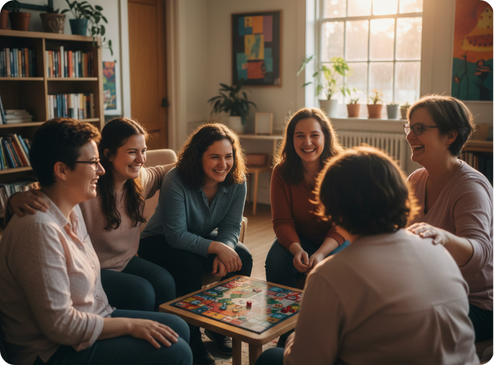
For many, learning is a chapter that neatly closes as adulthood begins. But what if education were not a finite segment of life? This is the philosophy that transforms mere living into a journey of thriving, starting with a simple yet powerful declaration: “I Can.” This is a statement of dignity, the base of independence, and the fruit of a true dedication to lifelong learning for women with IDD.
For women who have Intellectual and Developmental Disabilities (IDD), this is not a path toward remediation but a journey of liberation and a continuous, empowering process of discovery.
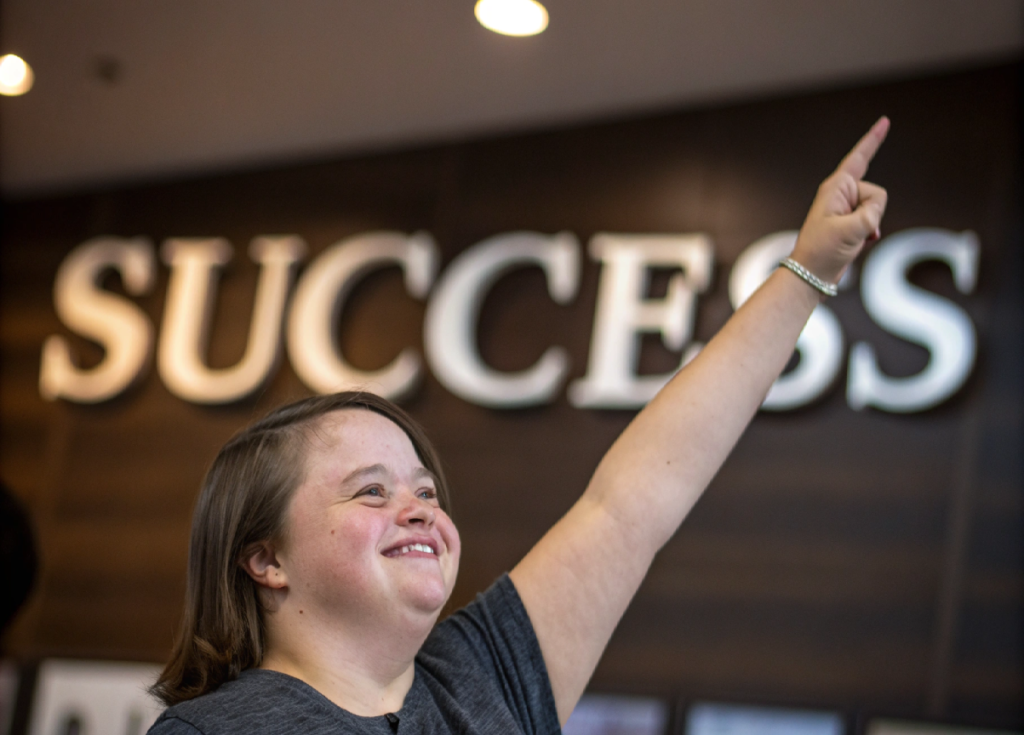
The “I Can” Philosophy: More Than a Slogan
The shift from “I am not able to do it” or “Will you do it for me?” to “I Can do it” or “Let me try it” is a significant psychological and emotional step. It’s a transition from a passive role to a more active one.
The Emotional Foundation of Independence
True independence is not about doing everything alone; it is about developing the confidence and skills to get through life with the proper support. Every instance of “I Can” (perfecting a new recipe, figuring out a bus route, speaking up in a meeting) deposits money into the individual’s emotional bank account.
This growing balance helps in reducing anxiety, low self-esteem, and learned helplessness that traditional care models usually bring. The pursuit of lifelong learning for women with IDD is the process of making those regular, empowering deposits.
Breaking the “Final Plateau” Myth
There’s a myth that says people with IDD have a fixed limit to their learning. This perspective is also what limits potential and promotes stagnant care. The lifelong learning model breaks that wall, since human growth is a never-ending process.
Abilities can be improved, new interests can be developed, and talents can arise at any time in life. That continuous potential is the foundation of the “I Can” philosophy, which means that support can be flexible, can change as the person does, and can look forward.
The Lifelong Learning Journey in Action
So, how does the growth process work in a group home? It is like a tapestry that weaves daily experiences together, each thread creating a more resilient whole.
From Daily Living to Dream Pursuing
Lifelong learning for women with IDD is a practical affair. It includes:
- Core Life Skills: Cooking, financial skills, home repair, and health care.
- Social & Emotional Intelligence: Building relationships, resolving issues, knowing what is appropriate, and putting feelings into words.
- Vocational & Creative Pursuits: Exploring volunteer opportunities, craft skills, gardening, and digital literacy.
This holistic approach does not present lifelong learning for women with IDD as an intangible concept, but as a lived experience that touches all areas of life, transforming daily activities into opportunities for achievement.
The Role of Structured Support and Gentle Challenge
In most cases, growth occurs in the “zone of proximal development,” the area between what one does independently and what one can achieve with a bit of help. In this zone, dedicated staff serve as coaches (or “scaffolding”) to help residents learn or improve skills. They split tasks into manageable steps, provide support after setbacks, and create safe environments for trying, failing, and trying again.
This supportive structure serves as the foundation for effective lifelong learning for women with IDD, transforming a home into a true learning community.
Creating a Culture Filled with “I Can”
In a culture that supports lifelong learning for women with IDD, celebrating mastery is an important step. At Harriet Residential Care, we have a culture that recognizes progress at every turn.
Personalized Pathways and Individual Pacing
A cookie-cutter approach doesn’t work here. Instead, we implement person-centered plans that start with a resident’s passions and goals. Does the individual love music? They can play and learn with simple sheet music, go to community concerts, or try out the keyboard. Is she into nature? We offer gardening, composting, and local plant identification as part of their skill development.
By aligning with a person’s interests, we individualize learning as a self-sustaining, joyful activity that promotes lifelong learning for women with IDD.
The Ripple Effect of Celebrated Achievement
Celebration is at the core of what we do in the learning process. By acknowledging everything from a simple fist bump for a first solo laundry load to a degree awarded for completing a community class, we recognize each resident’s efforts to grow and affirm their identity as a capable individual.
Achievement also instills confidence, which in turn gives each woman the courage to take on the next challenge. These moments, no matter how big or small, create a personal story where what used to be a limitation is now an opportunity.
The Transformative Outcome: A Life of Purpose and Joy
The aim of lifelong learning for women with IDD is not to complete a generic checklist of what is learned. We are after a transformed quality of life where women are the authors of their own stories. They may have many roles (chef, gardener, friend, artist, volunteer, etc.), and their diagnosis does not define them; their abilities and skills do. This active engagement improves mental and emotional health, helping with depression and isolation.
Growth is what Harriet Residential Care in Washington, D.C., fosters. We are dedicated to providing a personal and supportive environment that sees, hears, and enables the daily realization of “I Can,” a simple yet compelling statement. We cultivate a culture that sees growth and achievement as ongoing processes.
